In this article, you will learn how Sero Fashion works, what you need to get started, what results you can expect, and which pitfalls to avoid. You will receive a practical workflow for e-commerce fashion photography, insights into ROI, and tips for brand consistency. Ready to discover how AI fashion photography makes your team faster and more productive? Schedule a demo through Sero Fashion.
What is Sero Fashion, in 60 seconds
A short video about the Sero Fashion tool.
The short answer: for busy teams
Sero Fashion is an AI tool that generates fashion photography based on your product images and chosen AI fashion models. You upload a garment photo, select a digital model, choose poses and backgrounds, and get professional fashion photography back: ready for your webshop. This replaces or supplements traditional photo shoots, without a studio, model bookings or weeks of planning. You generate variants in hours instead of days, with full control over lighting, scenes and styling.
The biggest advantage: you save tens of thousands of euros per collection because you no longer need to buy external photo shoots and do not pay model rights. The quality is excellent: 4K studio quality, consistent product presentation and full creative control.
The simple explanation
Imagine this: you have a photo of a dress on a hanger. You upload that photo, click on a 'digital mannequin' you like and say: "Show this dress on this model, in this pose, with that background." Within a few minutes you get a realistic fashion photo as if a real shoot had been done. The AI 'fits' your garment to the model, takes light incidence into account and ensures that seams, colors and details are correct.
Important: Sero Fashion is mainly intended for e-commerce fashion photos and on-model content. For complex art direction or hero campaigns, traditional photography remains valuable, but for scalable product variants (PDP, PLP, marketplaces), AI delivers hyper-realistic visuals that can go live immediately.
Want to see whether it fits your collection? Schedule a demo via Sero Studio.
How do you create AI photoshoots for fashion with Sero Fashion?
Step by step: upload product, choose model, generate images
The workflow is clear. You upload your product photos in Sero Fashion. Note: sharp images with good lighting work best, but less detailed images also produce good results. The tool recognizes the garment type and fit. Then you choose an AI image model that matches your brand: age, style, look. You can generate your own models based on a brand description or upload existing models, which are recreated royalty-free.
Then select background, setting and pose. Do you want a studio look, an editorial vibe or a lifestyle setting? You get a preview immediately. After generation, you review the output: are the seams correct, does the product color reproduce well, does the fit look logical? This QA step takes seconds per image. You export approved images in the correct format for your webshop, marketplace or ads.
How to create variants: switch backgrounds and studio look
The power lies in speed and variation. You do not have to reshoot to change a summer setup into a winter background. Upload your garment with multiple angles (front, side, back), so the garment stays correct in all poses. Create collections by combining multiple items: style full outfits without a new shoot.
You can switch backgrounds for seasons, campaigns or A/B tests without extra costs. The studio-quality AI ensures consistent lighting and a professional appearance. Each SKU gets the same tonality and brand look, which is especially important for large catalogs.
Do note that you review images one by one: bulk editing is possible, but you add garments or collections per item and check details before they go live.
What results and use cases do AI photoshoots deliver for e-commerce?
Practical examples for fashion brands (PDP, campaigns, marketplaces)
E-commerce fashion photos for PDP and PLP are the most common application. You generate on-model variants that improve conversion: customers see how a garment falls and fits. For editorial fashion photography (socials, ads), you create fast, attractive visuals without a shoot. When new colors or designs are introduced, you reshoot in hours instead of weeks.
For marketplaces such as bol.com, consistency is crucial. With Sero Fashion you generate images that meet guidelines: correct crop, background, lighting. You make different variants per channel without new production. In a Shopify NL workflow, you export image sets per variant, with naming conventions and formats that you can upload directly. A/B test main images to measure which pose or background converts best.
It also helps for example for Zalando (if you sell there): the focus on specifications and consistency increases trust.
Cost, speed and ROI: comparison with traditional photoshoots
A traditional shoot quickly costs thousands of euros: studio rental, photographer, models, styling, makeup, post-production. For one collection, costs can easily reach €5,000 or sometimes as much as €15,000. Time investment: days to weeks for planning, shoot, editing and delivery.
With Sero Fashion, you pay a monthly fee of €399 for access to the tool. In addition, costs are charged per generated image. Per item, you generate multiple variants in minutes.
Measurable impact: increased CTR on listings, higher add-to-cart, better conversion and lower return rate through realistic visualization. Track these KPIs to substantiate ROI.
Discover how to integrate this into your full content workflow via Sero Core Platforms.
What are misconceptions, pitfalls and best practices in AI fashion photography?
Common misconceptions (and what is actually true)
Misconception 1: "AI is always perfectly realistic." Not quite. Sero Fashion delivers hyper-realistic AI fashion visuals, but QA is still necessary. Check details such as seams, logos and color deviation. Small texture errors can occur; correct them before images go live.
Misconception 2: "AI replaces every shoot." Position it as hybrid. AI is ideal for scale, variants and speed. For hero campaigns or complex art direction (for example with special props or locations), traditional photography is often the better choice.
Misconception 3: "Any product photo works." The quality of your input determines the output. Sharp images, consistent lighting and the correct crop are crucial. Do not upload blurry or poorly lit photos; the AI cannot fix that.
Best practices for brand consistency, compliance and quality
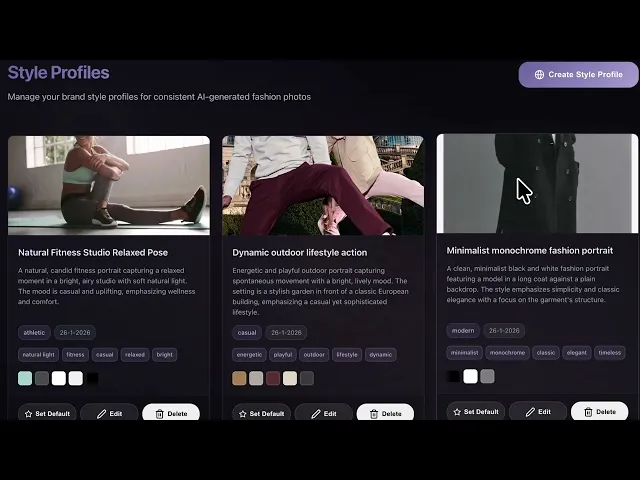
Create fixed brand presets: background, tonality, poses. That way all images stay on-brand. Color consistency control is essential: match the generated color with your product color in your system. Use guidelines for retouching and version control per channel (Shopify, bol.com, socials).
Compliance and trust: be transparent where necessary. The rights to generated images belong to you; communicate an internal review and approval process before images go live. This prevents miscommunication and keeps quality high.
Practical tip: start a mini-pilot with 10 to 20 SKUs. Measure conversion impact, gather feedback from your team and optimize your workflow. Schedule a demo via Sero Core Feeds to see how you can automatically publish images to all your channels.
What is Sero Fashion, in 60 seconds
A short video about the Sero Fashion tool.
The short answer: for busy teams
Sero Fashion is an AI tool that generates fashion photography based on your product images and chosen AI fashion models. You upload a garment photo, select a digital model, choose poses and backgrounds, and get professional fashion photography back: ready for your webshop. This replaces or supplements traditional photo shoots, without a studio, model bookings or weeks of planning. You generate variants in hours instead of days, with full control over lighting, scenes and styling.
The biggest advantage: you save tens of thousands of euros per collection because you no longer need to buy external photo shoots and do not pay model rights. The quality is excellent: 4K studio quality, consistent product presentation and full creative control.
The simple explanation
Imagine this: you have a photo of a dress on a hanger. You upload that photo, click on a 'digital mannequin' you like and say: "Show this dress on this model, in this pose, with that background." Within a few minutes you get a realistic fashion photo as if a real shoot had been done. The AI 'fits' your garment to the model, takes light incidence into account and ensures that seams, colors and details are correct.
Important: Sero Fashion is mainly intended for e-commerce fashion photos and on-model content. For complex art direction or hero campaigns, traditional photography remains valuable, but for scalable product variants (PDP, PLP, marketplaces), AI delivers hyper-realistic visuals that can go live immediately.
Want to see whether it fits your collection? Schedule a demo via Sero Studio.
How do you create AI photoshoots for fashion with Sero Fashion?
Step by step: upload product, choose model, generate images
The workflow is clear. You upload your product photos in Sero Fashion. Note: sharp images with good lighting work best, but less detailed images also produce good results. The tool recognizes the garment type and fit. Then you choose an AI image model that matches your brand: age, style, look. You can generate your own models based on a brand description or upload existing models, which are recreated royalty-free.
Then select background, setting and pose. Do you want a studio look, an editorial vibe or a lifestyle setting? You get a preview immediately. After generation, you review the output: are the seams correct, does the product color reproduce well, does the fit look logical? This QA step takes seconds per image. You export approved images in the correct format for your webshop, marketplace or ads.
How to create variants: switch backgrounds and studio look
The power lies in speed and variation. You do not have to reshoot to change a summer setup into a winter background. Upload your garment with multiple angles (front, side, back), so the garment stays correct in all poses. Create collections by combining multiple items: style full outfits without a new shoot.
You can switch backgrounds for seasons, campaigns or A/B tests without extra costs. The studio-quality AI ensures consistent lighting and a professional appearance. Each SKU gets the same tonality and brand look, which is especially important for large catalogs.
Do note that you review images one by one: bulk editing is possible, but you add garments or collections per item and check details before they go live.
What results and use cases do AI photoshoots deliver for e-commerce?
Practical examples for fashion brands (PDP, campaigns, marketplaces)
E-commerce fashion photos for PDP and PLP are the most common application. You generate on-model variants that improve conversion: customers see how a garment falls and fits. For editorial fashion photography (socials, ads), you create fast, attractive visuals without a shoot. When new colors or designs are introduced, you reshoot in hours instead of weeks.
For marketplaces such as bol.com, consistency is crucial. With Sero Fashion you generate images that meet guidelines: correct crop, background, lighting. You make different variants per channel without new production. In a Shopify NL workflow, you export image sets per variant, with naming conventions and formats that you can upload directly. A/B test main images to measure which pose or background converts best.
It also helps for example for Zalando (if you sell there): the focus on specifications and consistency increases trust.
Cost, speed and ROI: comparison with traditional photoshoots
A traditional shoot quickly costs thousands of euros: studio rental, photographer, models, styling, makeup, post-production. For one collection, costs can easily reach €5,000 or sometimes as much as €15,000. Time investment: days to weeks for planning, shoot, editing and delivery.
With Sero Fashion, you pay a monthly fee of €399 for access to the tool. In addition, costs are charged per generated image. Per item, you generate multiple variants in minutes.
Measurable impact: increased CTR on listings, higher add-to-cart, better conversion and lower return rate through realistic visualization. Track these KPIs to substantiate ROI.
Discover how to integrate this into your full content workflow via Sero Core Platforms.
What are misconceptions, pitfalls and best practices in AI fashion photography?
Common misconceptions (and what is actually true)
Misconception 1: "AI is always perfectly realistic." Not quite. Sero Fashion delivers hyper-realistic AI fashion visuals, but QA is still necessary. Check details such as seams, logos and color deviation. Small texture errors can occur; correct them before images go live.
Misconception 2: "AI replaces every shoot." Position it as hybrid. AI is ideal for scale, variants and speed. For hero campaigns or complex art direction (for example with special props or locations), traditional photography is often the better choice.
Misconception 3: "Any product photo works." The quality of your input determines the output. Sharp images, consistent lighting and the correct crop are crucial. Do not upload blurry or poorly lit photos; the AI cannot fix that.
Best practices for brand consistency, compliance and quality
Create fixed brand presets: background, tonality, poses. That way all images stay on-brand. Color consistency control is essential: match the generated color with your product color in your system. Use guidelines for retouching and version control per channel (Shopify, bol.com, socials).
Compliance and trust: be transparent where necessary. The rights to generated images belong to you; communicate an internal review and approval process before images go live. This prevents miscommunication and keeps quality high.
Practical tip: start a mini-pilot with 10 to 20 SKUs. Measure conversion impact, gather feedback from your team and optimize your workflow. Schedule a demo via Sero Core Feeds to see how you can automatically publish images to all your channels.
Frequently Asked Questions
What is Sero Fashion AI? Sero Fashion AI is a tool that generates professional fashion photos based on product images and chosen AI models, without traditional photo shoots.
How do you create AI photo shoots for fashion with Sero Fashion? Upload your product photo, choose an AI model, select pose and background, check the output, and export for your webshop or marketplace.
Are AI fashion photos realistic enough for a webshop? Yes, Sero Fashion delivers 4K studio quality with consistent product representation. Check details before publishing to ensure top quality.
How much does an AI photo shoot for fashion cost compared to a traditional shoot? A traditional shoot costs thousands of euros and takes days; Sero Fashion costs 399 euros per month plus generation costs, with output in hours.
What are the benefits of AI photo shoots for e-commerce conversion? Higher CTR, more add-to-cart, better conversion, and fewer returns due to realistic, consistent on-model content that instills trust in customers.
Conclusion
Sero Fashion makes AI photo shoots possible by converting product images into scalable, on-model visuals with studio quality. You save time, money, and have full control over poses, scenes, and styling. The workflow is simple: upload, choose a model, generate, check, and publish. Use cases range from PDP photos to campaigns and marketplace content. ROI is measurable through conversion, CTR, and return rates.
Ready for your first pilot? Start with 10 to 20 SKUs, measure the impact, and then scale up. Join us at one of our events and discover how Sero makes your team more productive.
In a maximum of three quarters of an hour, you will get a complete picture: from platforms, integrations, and pricing to onboarding and ROI. All questions will receive a clear answer.